When you’re running a small business, the road to success is filled with challenges, and one of your best allies is a solid insurance plan. But, with so many options out there, where do you start? Let’s dive into the essentials of small business insurance and discover why it’s not just an option but a necessity for thriving entrepreneurs.
Small business insurance isn’t just a safety net; it’s your business’s security blanket against unexpected setbacks. From shielding you against potential liabilities to ensuring your assets are protected, the right insurance coverage can be a game-changer. So, buckle up as we explore the key insurance types every small business owner should consider, following the insights of Backlinko’s authoritative style.
Understanding Small Business Insurance
Did you know that 40% of small businesses never reopen after a disaster? That’s why understanding small business insurance is crucial.
Small business insurance protects your company from unexpected events that could cripple your operations. Whether it’s a lawsuit, property damage, or a data breach, the right coverage can save your business from financial ruin.
The Different Types of Small Business Insurance
When it comes to insurance, you have options. General Liability Insurance covers legal hassles due to accidents, injuries, and claims of negligence. Then there’s Business Property Insurance, which safeguards your office and equipment. And don’t forget Professional Liability Insurance—essential if you’re providing expert advice or services.
Risks Covered by Small Business Insurance
Here’s the deal: not all risks are created equal. A minor slip can lead to a major lawsuit. That’s where liability insurance comes into play, covering legal fees and damages. Then there are risks like fire, natural disasters, and even theft, which property insurance typically covers.
- Legal claims
- Property damage
- Cyber threats
- Employee injuries
When Small Business Insurance Proves Beneficial
Imagine a scenario: a customer slips in your store and sues you. Or your office gets ravaged by a storm. Small business insurance can cover these costs and help you get back on your feet.
Pro Tip: Always review your insurance policies annually to ensure they cover new risks as your business evolves.
Types of Small Business Insurance Coverage

Did you know that 75% of businesses are underinsured? That’s a massive risk. You can’t afford to be part of that statistic.
Small businesses face unique challenges. One of the biggest? Choosing the right insurance coverage. From general liability to workers’ compensation, each type offers different protection.
Understanding the Different Insurance Types
There are three main types of insurance coverage you need to know about: general liability, property insurance, and workers’ compensation. Each comes with its own set of features and benefits tailored to protect your business in different ways.
Here’s a quick breakdown in a handy table:
| Insurance Type | Features | Benefits | Suitable Business Types |
|---|---|---|---|
| General Liability | Covers third-party injuries and property damage | Protects against lawsuits and claims | Retail, Food Services, Offices |
| Property Insurance | Protects physical assets like buildings and inventory | Safeguards against theft, fire, and natural disasters | Manufacturing, Warehousing, Retail |
| Workers’ Compensation | Covers medical expenses and lost wages for injured employees | Ensures compliance with state laws | Construction, Manufacturing, Retail |
Comprehensive vs. Specialized Policies
Choosing between comprehensive and specialized insurance can be tough. Comprehensive policies cover a wide range of risks, but might not focus on specific needs. On the other hand, specialized policies are tailor-made for certain industries, but they can be more expensive.
Here’s the deal: if your business faces unique risks, specialized policies might be worth the extra cost.
You need to balance protection with budget constraints.
Bundled Insurance Packages: Pros and Cons
Bundling insurance can offer significant savings. It’s like buying in bulk. BUT, it may limit flexibility. You’re locked into one provider, and switching can be a hassle.
Pro Tip: Always read the fine print. Bundles aren’t always the cheaper option once you factor in potential hidden costs.
Cost Factors in Small Business Insurance

Did you know that the average small business pays between $500 and $3,000 annually for insurance? But here’s the kicker: many of them are overpaying! Understanding what drives these costs can help you save big time.
The cost of your small business insurance isn’t just a random number. It’s influenced by several key factors, and knowing these can help you make smarter decisions. Let’s dive into what affects your premiums the most.
Key Influencers of Insurance Premiums
The type of business you run is a huge factor. A tech startup may face different risks compared to a construction company. Higher risk means higher premiums. Location also plays a role. A business in a flood zone will likely face higher costs. And then there’s the business size and revenue. The bigger you are, the more you pay.
Here’s the deal: insurance companies assess these risks meticulously. They look at your claim history and even your credit score. So, a business with a clean track record and solid credit can secure better rates.
Impact of Business Type, Location, and Risk Levels
Your business’s location can dramatically change your insurance costs. For example, a bustling city center may have higher premiums due to crime rates compared to a rural area. Risk levels are determined by how dangerous your operations are. A coffee shop will have lower risks compared to a chemical plant.
But don’t worry, I’ve got some strategies to help you cut costs.
Strategies to Reduce Insurance Costs
Start by bundling your policies. Many providers offer discounts if you purchase multiple types of insurance from them. Also, regularly review your coverage. You might be paying for policies you no longer need. Increasing your deductible is another way to lower premiums, but be sure you can afford it if needed.
Pro Tip: Regularly update your risk management practices. This can lead to lower premiums and is often something insurers reward.
Another strategy? Shop around. Different insurers offer different rates. Don’t hesitate to negotiate or ask about discounts.
Cost-Effective Options for Startups vs. Established Businesses
Startups often operate on a tight budget. Look for basic coverage options that meet legal requirements and protect essential assets. Business owner’s policies (BOPs) can be a great fit as they combine multiple types of coverage at a lower cost.
Established businesses might benefit from customizing their insurance. You have more assets to protect, so tailor your coverage to meet specific needs.
| Insurance Option | Best For | Cost Consideration |
|---|---|---|
| Business Owner’s Policy (BOP) | Startups | Cost-effective, bundled coverage |
| Customized Policies | Established Businesses | Higher cost, tailored protection |
Choosing the Right Insurance Provider
Did you know that 40% of small businesses don’t have insurance? That’s a risky game to play. Choosing the right provider is crucial for protecting your business.
But how do you know which insurance company to trust? You need to consider several key criteria to ensure you’re getting the best coverage for your buck.
Criteria for Selecting an Insurance Provider
First off, look at the financial stability of the provider. You don’t want them going under when you need them most. Next, check their customer service reputation. Are they easy to reach in a crisis?
Also, evaluate their claim handling process. A speedy and fair process can save you a lot of headaches later on. Lastly, consider the range of coverage options—do they offer what you specifically need?
Steps to Evaluate and Compare Providers
To nail down the best provider, follow these steps:
- Research extensively online. Look for reviews from fellow small business owners.
- Request quotes from at least three providers to compare pricing.
- Assess each policy for coverage limits and exclusions. Don’t miss the fine print!
- Consult with an insurance broker for expert advice tailored to your industry.
Pro Tip: Always ask for a sample policy before signing anything. This lets you see exactly what you’re buying.
Top-Rated Insurance Providers for Small Businesses
Here’s a quick look at some of the top providers based on customer ratings and industry reputation:
| Provider Name | Coverage Options | Customer Ratings | Special Features |
|---|---|---|---|
| Provider A | General Liability, Property, Workers’ Comp | 4.8/5 | 24/7 Claims Support |
| Provider B | Liability, Auto, Health | 4.5/5 | Flexible Payment Plans |
| Provider C | Cyber, E&O, Umbrella | 4.7/5 | Customizable Policies |
Legal Requirements and Regulations
Did you know that many small businesses operate without the necessary insurance, risking hefty fines and potential closure? Understanding the legal requirements for insurance is crucial to keeping your business compliant and safe.
Insurance regulations vary significantly from one region to another, and not meeting these requirements can lead to serious legal consequences. Small businesses need to navigate between mandatory and optional insurance coverages to avoid penalties and ensure comprehensive protection.
Understanding Mandatory vs. Optional Coverage
Every industry has unique insurance requirements. Most businesses will find that some types of insurance, like workers’ compensation and general liability, are non-negotiable. However, coverage such as cyber liability might be optional but highly recommended if you handle sensitive data.
Here is the deal: skipping out on mandatory insurance isn’t just a bad idea—it’s illegal. If you’re caught without the required policies, you could face fines, legal action, or even business shutdowns.
- Mandatory: Workers’ Compensation, Unemployment Insurance
- Optional but Recommended: Professional Liability, Cyber Liability
The best approach? Ensure you know what’s required for your industry and location to stay on the right side of the law.
Resources for Verifying Compliance
Finding reliable information on insurance compliance can be daunting. Local government websites and business associations are your best bet for up-to-date regulatory requirements.
Pro Tip: “Check with your industry association for specific guidelines tailored for your business.”
Additionally, consulting with an insurance expert can save you time and help you choose the right coverages to meet your legal obligations.
Remember, navigating insurance regulations doesn’t have to be a solo journey. Use the resources available to protect your business and peace of mind effectively.
Claims Procedure and Support
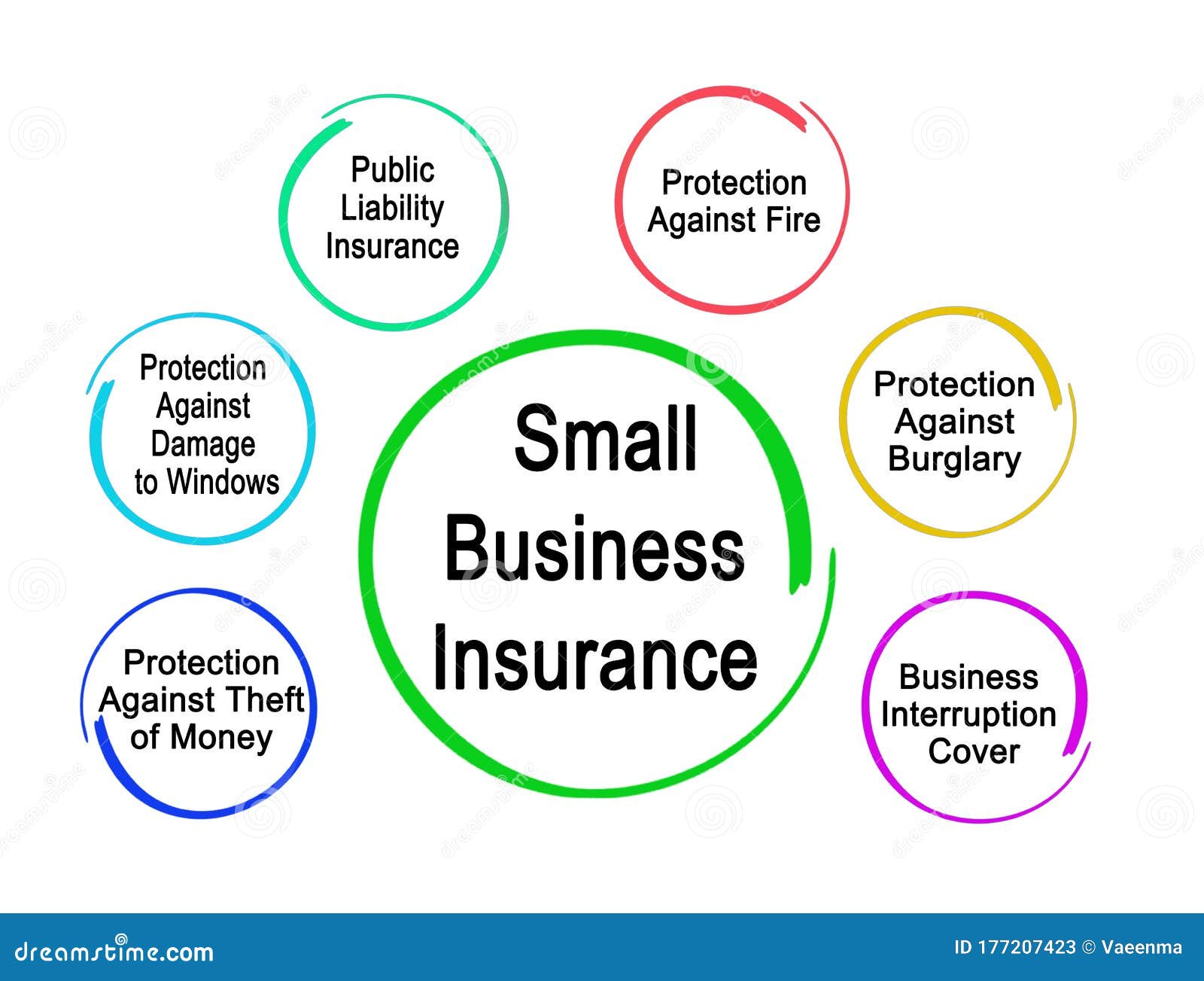
Did you know that over 40% of small businesses will file an insurance claim in the next year? That’s a staggering number.
Here’s the deal: understanding the claims process can save your business time and money. Whether it’s for property damage, liability, or loss of income, knowing how to file a claim correctly is crucial.
Filing an Insurance Claim Efficiently
When disaster strikes, speed is your best ally. Start by notifying your insurance provider immediately. This gets the ball rolling and reduces the waiting time for compensation. For example, after a storm, call your agent as soon as the skies clear.
But there’s more to it! Ensure you’re prepared with the right paperwork. This means having a detailed account of the incident ready to go.
Documenting and Reporting Incidents
The key to a smooth claims process is thorough documentation. Take these steps:
- Capture photos and videos of the damage.
- Compile a list of damaged or lost items with their estimated values.
- Get written statements from witnesses if applicable.
- Maintain a timeline of events leading up to the incident.
Pro Tip:
Keep a dedicated digital folder for all incident-related documents. This makes it easier to share information with your insurer.
Tracking Claim Status and Interacting with Adjusters
Once the claim is filed, you need to stay in the loop. Regularly check the status of your claim through your insurer’s portal or app. This keeps you informed and ready for the next steps.
When dealing with adjusters, communication is key. Be prepared to answer questions and provide additional documentation if needed. Remember, they’re there to help, but you need to ensure everything is clear and accurate.
Organizing Necessary Documentation
To make sure your claim is processed without a hitch, keep your documents in order:
- Insurance policy documents
- Correspondence with your insurer
- Receipts for repairs or replacements
- Bank statements showing related expenses
These steps help streamline the process and increase the likelihood of a successful claim.
Final Summary
Navigating the world of small business insurance doesn’t have to be daunting. By understanding your business’s unique needs and the available coverage options, you can make informed decisions that safeguard your venture’s future. Remember, insurance isn’t just an expense; it’s an investment in peace of mind and business continuity. So, take the plunge and protect what you’ve worked so hard to build.
Answers to Common Questions
What are the key types of small business insurance?
Key types include general liability, property insurance, and workers’ compensation, each offering unique protections for different risks.
How can small businesses reduce their insurance costs?
Consider bundling policies, improving workplace safety, and regularly reviewing coverage needs to ensure cost-effective premiums.
Why is small business insurance important?
It protects your business from financial losses due to lawsuits, property damage, and employee injuries, ensuring business continuity.
What factors affect small business insurance premiums?
Factors include business type, location, risk levels, and coverage limits, which influence the cost of your insurance policy.
What should I look for in an insurance provider?
Key criteria include coverage options, customer service, financial stability, and industry reputation to ensure reliable support.
