Understanding Errors and Omissions Insurance in Washington State: Essential Insights for Professionals

Imagine this: You’re a professional in Washington State, pouring your heart and soul into your business. Suddenly, an oversight occurs, and you find yourself on the receiving end of a pricey lawsuit. Sounds daunting, right? This is where Errors and Omissions (E&O) Insurance swoops in as your financial superhero, protecting you from the unexpected costs associated with legal claims.
In the land of evergreen forests and bustling tech hubs, understanding the ins and outs of E&O insurance is crucial for professionals and businesses. Whether you’re in real estate, consulting, or any service industry, knowing when and why you need this coverage can make all the difference. Let’s dive into the nitty-gritty of Errors and Omissions Insurance in Washington State, unraveling its benefits, costs, and claim processes with the finesse of an expert.
Definition and Purpose of Errors and Omissions Insurance
Ever wondered what would happen if you made a mistake that cost your client big? That’s where Errors and Omissions Insurance (E&O) steps in. It’s your safety net against costly blunders.
Errors and Omissions Insurance is like a superhero for professionals. Its main purpose? To shield you from financial liabilities in case of mistakes or negligence during your services. Whether you’re a consultant, lawyer, or in tech, this insurance can save you from business-crippling lawsuits.
Why Errors and Omissions Insurance is Crucial
Imagine a scenario: You’re a software developer, and a bug in your code causes a client’s system to crash, losing them thousands. Ouch! Without E&O insurance, you’d be personally liable. This insurance is crucial in fields where advice and expertise are your bread and butter, like legal services, consulting, and IT.
Industries Requiring Errors and Omissions Insurance
Not all industries are created equal when it comes to risk. Fields like finance, healthcare, and real estate are rife with potential errors. Here’s the deal: If your work involves data, advice, or detailed service, you need this coverage. Financial advisors, architects, and healthcare professionals rely on E&O insurance to protect their reputations and wallets.
Pro Tip: Even if you’re a freelancer, consider E&O insurance. One mistake could cost you more than you earn in a year!
Coverage Specifics in Washington State
Did you know that 44% of small businesses face a potential lawsuit every year? If you’re operating in Washington State, understanding your Errors and Omissions (E&O) Insurance coverage is crucial to protect your business from financial ruin.
Washington State offers unique features when it comes to E&O coverage. This insurance doesn’t just cover legal fees; it also takes care of settlements and other associated costs. And here’s the real kicker: It’s designed to cover mistakes you might not even know you’ve made yet.
Coverage Features Available in Washington State
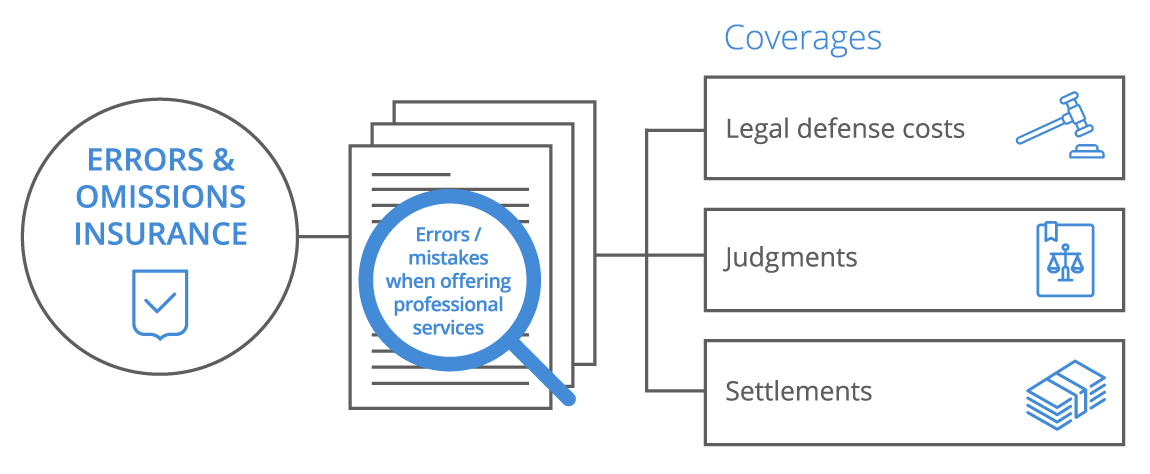
E&O Insurance in Washington State covers a variety of claims, ranging from negligence to misrepresentation. It ensures that if a client sues you for professional errors, you’ll have the financial backing to handle it. These policies typically cover defense costs, court fees, and settlements up to your policy limit.
In Washington, you can also customize your policy to include industry-specific risks. For example, if you’re in the real estate business, your policy might cover issues related to property transactions. But remember, the exact coverage can vary, so it’s crucial to review your policy details carefully.
Legal Requirements for Errors and Omissions Insurance
Washington State doesn’t mandate E&O Insurance for most professions, but some industries require it. For instance, real estate agents and insurance brokers often need it to maintain their licenses. Without this coverage, you might find yourself in hot water if a client claims you’ve mishandled their case.
Pro Tip: Always verify if your profession has specific E&O requirements in Washington State to avoid compliance issues.
Examples of Claims Covered Under This Policy
Imagine you’re a consultant, and a client claims your advice led to a financial loss. Or you’re a real estate agent, and a property transaction falls apart due to an oversight. In Washington State, these scenarios typically fall within the realm of E&O claims. Your policy will cover the costs associated with defending and settling these claims. Remember, though: intentional wrongdoing isn’t covered, so honesty is always the best policy.
Benefits of Having Errors and Omissions Insurance
You might think you’re covered with just general liability insurance. BUT, are you prepared for those professional mistakes that could cost you your business? That’s where Errors and Omissions Insurance steps in.
This type of insurance isn’t just an add-on; it’s a must-have for professionals who want to safeguard their reputation and assets. It’s your safety net when the unexpected happens, ensuring you’re not financially ruined by a lawsuit over a mistake or oversight.
Why Errors and Omissions Insurance Stands Out
Unlike general liability insurance, which might cover physical damages and injuries, E&O insurance specifically protects against claims of negligence or inadequate work. Here’s the deal: while other insurances cover bodily injury or property damage, E&O handles those “intangible” faults like failing to deliver on promised services.
| Errors and Omissions Insurance | General Liability Insurance |
|---|---|
| Protects against negligence claims | Covers physical injuries and property damage |
| Handles claims related to professional mistakes | Does not cover professional services |
When you compare E&O to other liability insurances, the difference is clear. E&O is your shield against the claims that could slip through the cracks of a general policy.
Potential Risks Mitigated by E&O Insurance
Without E&O, you’re exposed to a range of risks. Make sure you’re covered for:
- Claims of negligence
- Errors in service delivery
- Omissions that affect clients’ businesses
- Incorrect advice or consulting
- Failure to meet professional standards
Pro Tip: Don’t wait until it’s too late. E&O insurance is best acquired before any claims arise. Protect now, save later.
Having E&O insurance means having peace of mind. It’s a proactive step to protect your business from potentially devastating financial hits.
Cost Factors and Premium Calculation
Ever wondered why some businesses pay more for errors and omissions insurance than others? It’s not just a random number. Understanding what affects these costs can save you big bucks.
The price of your insurance is influenced by several key factors. From the size of your business to the industry’s risk profile, each component plays a part in the final premium you pay. Let’s dive into the specifics of how these factors stack up against each other.
Understanding Premium Influencers
When it comes to calculating your premiums, several elements come into play. The biggest ones? Your business’s industry risk and claim history. If you operate in a high-risk sector or have had claims in the past, expect higher costs.
- Your business size and revenue also set the stage for premium rates.
- Location matters too! Operating in areas with a dense population or high claim frequency can drive up costs.
- Coverage limits and deductibles: The more coverage you want, and the lower the deductible, the more you’ll pay.
Estimating Insurance Costs with a Scenario
Let’s make this real. Imagine you’re a small tech firm in Seattle with $500,000 revenue and no prior claims. Your industry is moderately risky, and you’re looking for $1 million in coverage. This scenario helps us estimate a ballpark figure for your premium.
Pro Tip: Always compare quotes from multiple insurers to ensure you’re not overpaying.
In this example, your premium might land around $3,000 annually. Remember, this is hypothetical, but it offers a framework for understanding potential costs. The more you know about these factors, the better you can negotiate and plan your insurance budget.
Typical Pricing Factors and Their Impact
Here’s a quick comparison of typical pricing factors and their potential impact on your insurance premium:
| Factor | Impact on Premium |
|---|---|
| Industry Risk | High |
| Claim History | Moderate to High |
| Business Size | Moderate |
| Location | Low to Moderate |
| Coverage Limits | High |
Top Providers of Errors and Omissions Insurance in Washington State

Finding the right Errors and Omissions (E&O) insurance provider can be a daunting task. Did you know that choosing the wrong provider can cost you thousands in unnecessary premiums?
Here is the deal: Not all insurance providers are created equal. Some offer unique features that cater specifically to your needs as a business owner in Washington State. Let’s dive into some of the top providers and what makes them stand out.
Key Features and Unique Selling Points
When you’re shopping for E&O insurance, you need to look beyond just the price. It’s crucial to consider customer service, coverage specifics, and any additional benefits that could be game-changers for your business.
Here’s a list of some of the top insurance providers offering E&O coverage in Washington State:
- State Farm
- The Hartford
- Berkshire Hathaway
- Travelers
- AIG
Each of these providers has something special to offer. Let’s break down their unique selling points.
State Farm: Known for its excellent customer service and comprehensive coverage options. They offer customizable plans that can be tailored to suit the specific needs of your business.
The Hartford: Offers additional protection with data breach coverage, which can be vital for tech-based businesses. Their policies are straightforward and easy to understand, making them a favorite among small business owners.
Berkshire Hathaway: Provides competitive pricing and flexible payment options. They have a solid reputation for quickly processing claims, which is a huge plus for any business.
Travelers: Focuses on risk management services alongside their insurance offerings. This provider is ideal if you’re looking for ways to proactively reduce risk in your business operations.
AIG: Offers global coverage, which is perfect if your business operates internationally. They also provide specialized resources and tools to help manage and mitigate potential losses.
Comparing Provider Offerings
When choosing an E&O insurance provider, it’s essential to compare their offerings side-by-side. Here’s a handy table to help you navigate these options:
| Provider | Customer Service Rating | Price Range | Unique Features |
|---|---|---|---|
| State Farm | 4.8/5 | $$ | Customizable Plans |
| The Hartford | 4.7/5 | $$$ | Data Breach Coverage |
| Berkshire Hathaway | 4.9/5 | $$ | Quick Claims Processing |
| Travelers | 4.6/5 | $$$ | Risk Management Services |
| AIG | 4.5/5 | $$$ | Global Coverage |
Pro Tip: Don’t just focus on the price. Evaluate the provider’s reputation and customer service as these can save you headaches in the long run.
How to File a Claim for Errors and Omissions Insurance
Ever feel like filing an insurance claim is more complicated than quantum physics? You’re not alone. Filing an Errors and Omissions (E&O) claim can be a daunting process if you don’t know where to start.
But here’s the deal: With the right steps, you can file your claim efficiently and maximize your chances for a smooth resolution.
Step-by-Step Guide to Filing Your E&O Claim
First things first. Contact your insurance provider as soon as you suspect a claim. Delaying this step can hurt your chances. They will guide you on what specific forms and information are needed.
Step #1: Gather all relevant documents. This includes your policy documents, contracts, emails, and any communication related to the claim.
Step #2: Fill out the claim form accurately. Double-check for errors because mistakes can lead to delays.
Step #3: Submit supporting evidence. The more thorough you are, the stronger your case. Include all communications and contracts that relate to the dispute.
Step #4: Stay in touch. Follow up with your insurer regularly to keep your claim moving.
Pro Tip: “Document everything. A paper trail is your best friend when filing a claim.”
Common Challenges and How to Overcome Them
Filing an E&O claim isn’t always smooth sailing. Here are some bumps you might encounter and how to avoid them.
One common hurdle is missing documentation. Without proper records, your claim could be stalled or even denied. Always maintain a complete file of all relevant documents.
Another frequent issue is misunderstanding policy terms. If you’re unclear about your coverage, clarify it with your provider before filing the claim.
Pro Tip: “When in doubt, consult a legal expert to interpret tricky policy language.”
- Contact your insurer immediately.
- Gather all related documents.
- Complete and double-check the claim form.
- Submit all supporting evidence.
- Regularly follow up for updates.
Ensure you’ve ticked off each item on this list to minimize potential setbacks.
Summary

In the fast-paced world of business, having a safety net like Errors and Omissions Insurance in Washington State is not just a smart move—it’s essential. With the right coverage, you can focus on what you do best, knowing you’re protected against unforeseen legal challenges. So, whether you’re a seasoned professional or just starting, remember to safeguard your passion and expertise with E&O insurance. After all, peace of mind is priceless.
Common Queries
What is Errors and Omissions Insurance?
Errors and Omissions Insurance, also known as E&O insurance, is a type of liability insurance that protects businesses and professionals from claims of inadequate work or negligent actions.
Why is E&O insurance important for professionals in Washington State?
Professionals in Washington State face unique legal challenges and high client expectations. E&O insurance provides a financial safety net, ensuring that lawsuits over mistakes or omissions don’t derail your business.
What industries typically require Errors and Omissions Insurance?
Industries like real estate, consulting, financial services, and technology often require E&O insurance due to the nature of their services and potential for client disputes.
How are E&O insurance premiums calculated?
Premiums are based on factors such as industry risk, business size, coverage limits, and claim history. Understanding these can help you estimate your costs accurately.
How do I file a claim for Errors and Omissions Insurance?
To file a claim, contact your insurance provider, gather necessary documentation, and follow their specific claim process to ensure a smooth experience.
What are common challenges in the E&O insurance claim process?
Challenges include incomplete documentation, misunderstanding policy coverage, and delays in communication with the insurer. Overcome these by staying organized and proactive.