Hey there, savvy entrepreneur! If you’re steering the ship of a small business, then you know that setting sail without proper insurance is like navigating a stormy sea without a life vest. But fear not, because we’re here to guide you through the essential waters of small business insurance.
From safeguarding your assets to protecting your profits, understanding the right insurance coverage can make or break your business. So, buckle up as we decode the world of small business insurance in a way that’s as clear as a sunny day. Let’s dive in, shall we?
Understanding Small Business Insurance

Did you know that 40% of small businesses never reopen after a disaster? Small business insurance is your lifeline. Without it, you’re taking a massive gamble with your livelihood.
It’s crucial to understand the different types of insurance available for small businesses. From liability to property insurance, each one serves a specific purpose. The right coverage can mean the difference between bouncing back from a setback and shutting down for good.
Types of Insurance Commonly Needed by Small Businesses
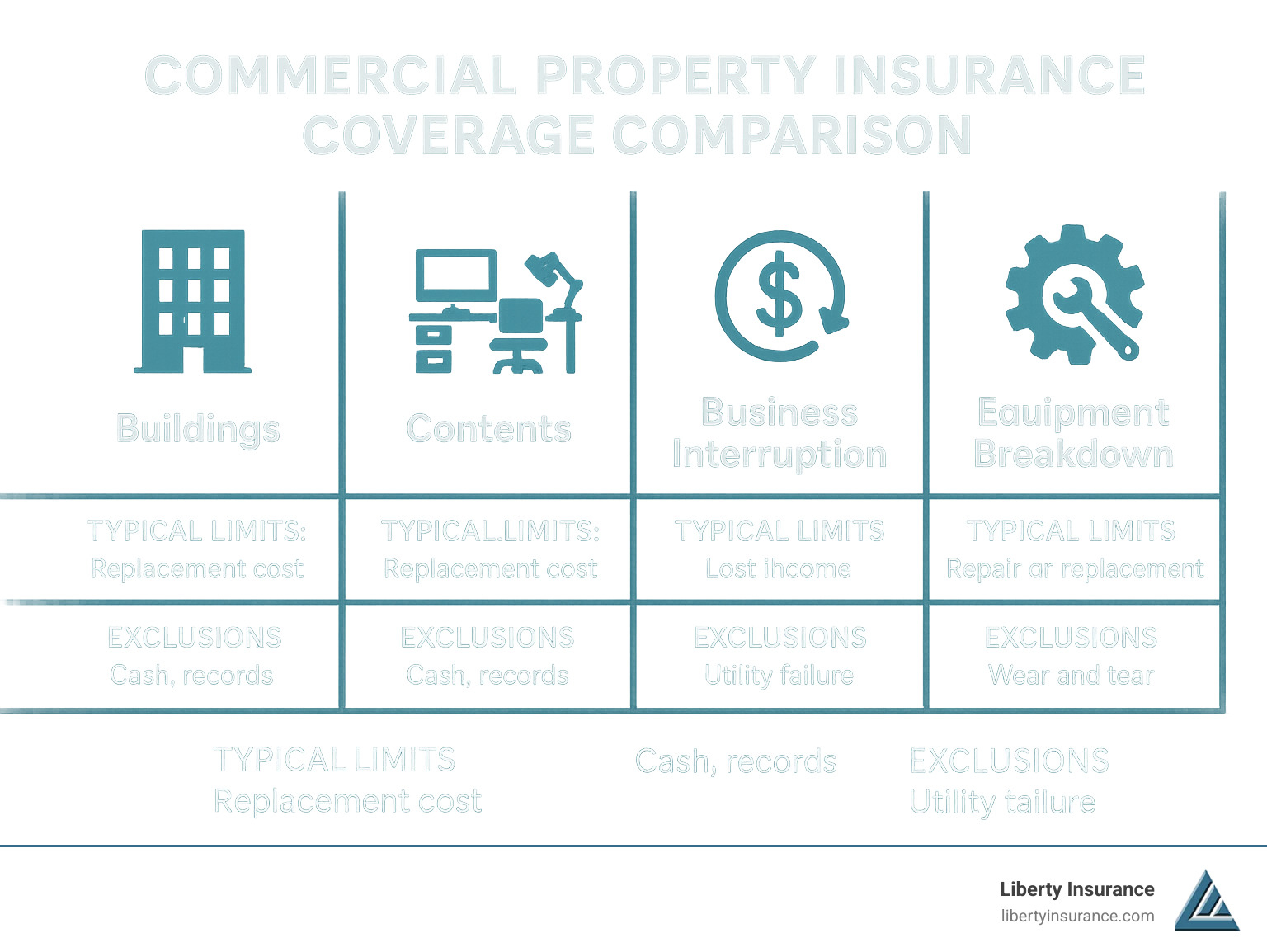
There are several types of insurance that small business owners should consider. General liability insurance, for instance, protects against lawsuits and accidents. Then there’s commercial property insurance, which covers your physical assets. Without proper coverage, you might face insurmountable costs.
- General Liability Insurance
- Commercial Property Insurance
- Professional Liability Insurance
- Business Interruption Insurance
Risks Faced by Small Businesses Without Proper Insurance
Think your business is too small to face a lawsuit? Think again. Every business is at risk of accidents, natural disasters, and even cyberattacks. Without insurance, the financial impact could be catastrophic.
You might lose everything you’ve worked for without the right protection.
For example, a slip-and-fall accident could cost you thousands. And if your store floods, you could face months of lost income. Insurance acts as a safety net, keeping your business afloat during tough times.
How Small Business Insurance Safeguards Against Unforeseen Events
Let’s face it: life is unpredictable. But with small business insurance, you can prepare for the unexpected. It’s like having a backup plan that kicks in when things go wrong.
Imagine a fire damages your inventory. Insurance helps you replace what you lost so you can get back on your feet. It’s not just about surviving; it’s about thriving despite the odds.
Pro Tip: Review your insurance policy annually to ensure it meets your current needs.
Types of Commercial Insurance for Small Businesses
Did you know that 40% of small businesses will experience a property or liability loss in the next decade? That’s right. Being unprepared could cost you thousands.
But understanding the different types of commercial insurance is your first step towards safeguarding your business. Let’s break it down, shall we?
General Liability, Property, and Professional Liability Insurance
General liability insurance covers third-party claims for bodily injury and property damage. It’s your go-to when a client slips on your newly mopped floor. Property insurance is all about safeguarding your business assets, like your office or equipment. And professional liability, also known as errors and omissions (E&O) insurance, shields you from claims of negligence or work-related mistakes.
Comparing Business Owner’s Policy (BOP) vs Separate Policies
Here’s the deal: a Business Owner’s Policy (BOP) bundles general liability and property insurance at a reduced cost. It’s convenient and cost-effective. But, separate policies offer tailored coverage specific to your business needs.
Pro Tip: If your business has unique risks, separate policies might be the way to go.
Optional Add-On Coverages Specific to Industry Needs
Every industry has its quirks. Whether it’s cyber liability for tech firms or inland marine for construction companies, there’s an add-on for that. These optional coverages ensure every corner of your business is protected.
| Type | Coverage | Benefits | Cost |
|---|---|---|---|
| General Liability | Bodily injury, Property damage | Legal and medical expenses covered | $$ |
| Property Insurance | Fire, Theft, Vandalism | Protects physical assets | $$ |
| Professional Liability | Negligence claims | Protects against professional errors | $$$ |
| Business Owner’s Policy (BOP) | General liability, Property | Combined coverage at a discount | $$ |
Factors Affecting Insurance Costs
Ever wondered why your small business insurance costs are through the roof? You’re not alone. There are several factors that play a role in determining those premiums.
Understanding these factors can help you manage and even reduce your insurance expenses. Let’s dive into the nitty-gritty details.
Business Size, Location, and Industry
The size of your business is a major player in the insurance cost game. Larger businesses tend to have more assets and employees, leading to higher premiums. But that’s not all. Your business location is also crucial. Operating in a disaster-prone area? Expect to pay more.
Industry type is another biggie. High-risk industries like construction or manufacturing naturally come with higher premiums due to the increased risk of accidents or damages. Knowing your industry risk profile is the first step in managing costs.
Impact of Claims History
Here’s the deal: your claims history can haunt you. A history full of claims can cause insurers to see you as a higher risk, leading to skyrocketing premiums. On the flip side, a clean record can work wonders for keeping costs down.
Insurers use your claims data to estimate future risks. Therefore, maintaining a low claims frequency is key to favorable rates. It’s kind of like having a good credit score but for insurance.
Methods to Reduce Insurance Expenses
Worried about breaking the bank on insurance? There are ways to mitigate these costs effectively. Start by evaluating your policy. Do you really need all that coverage? Sometimes, less is more.
- Consider increasing your deductibles. This can lower your premium significantly.
- Invest in safety training and risk management programs. Prevention pays off.
- Shop around and compare quotes from multiple insurers. Don’t just settle for the first offer.
Pro Tip: Bundle your insurance policies. Many insurers offer discounts for combining different types of coverage.
Evaluating and Choosing Insurance Providers

Did you know that over 40% of small businesses have never reviewed their insurance? That’s a risky move. Let’s dive into how you can evaluate and choose the right insurance provider for your business.
Choosing the right insurance provider is crucial. You want to make sure they’re reliable and offer the coverage you need. It’s not just about price; it’s about getting the right fit for your business. So, how do you find the right one?
Criteria for Selecting the Right Insurance Provider
First things first: look for financial stability. An insurance company should have a strong financial rating. This ensures they can pay out claims when needed. Next, assess their industry experience. A provider with experience in your industry will understand your specific risks better. Lastly, check their customer service. You don’t want to be left hanging when you need assistance.
Checklist for Evaluating Reputation and Services
Here’s what you need to consider:
- Check online reviews and testimonials from other small businesses.
- Verify the company’s license with state insurance departments.
- Determine if they offer customized policies that fit your business needs.
- Evaluate their claim processing efficiency and turnaround time.
- Look into any additional services or perks they provide.
Compare Quotes from Multiple Providers
Here’s the deal: you want the best coverage at the best price. To do that, you need to compare quotes. BUT don’t just look at the numbers. Analyze what each policy covers. Use a table like the one below to organize and compare:
| Provider | Premium | Coverage | Extras |
|---|---|---|---|
| Provider A | $500/month | Full Property | 24/7 Support |
| Provider B | $450/month | Property + Liability | Free Risk Assessment |
| Provider C | $550/month | Full Coverage | Online Claim Filing |
Tips for Negotiating Better Terms with Insurance Companies
Pro Tip:
Always negotiate! Insurance terms aren’t set in stone.
Start by asking for discounts or bundling options. Highlight your business’s risk management practices, like security systems or employee training, to justify lower rates. Remember, a long-term relationship with a provider can also lead to better terms over time.
Legal and Regulatory Considerations
Did you know that failing to comply with insurance regulations can cost a small business thousands in fines? It’s true! Small businesses must navigate a web of legal obligations when it comes to insurance coverage.
The law requires you to protect both your business assets and employees by adhering to specific insurance guidelines. Understanding these regulations is crucial for keeping your business compliant and safeguarding against potential liabilities.
Insurance Legal Obligations for Small Businesses
As a small business owner, you have specific legal obligations to meet regarding insurance coverage. These obligations vary depending on the type of business and location. For instance, if you have employees, you’re generally required to carry workers’ compensation insurance. This isn’t just a good idea—it’s the law.
Other mandatory insurance types can include public liability insurance and professional indemnity insurance, especially if your business involves interacting with the public or offering professional services. Ignoring these obligations can lead to severe penalties.
State and Federal Regulations Impacting Insurance
State and federal regulations play a huge role in shaping small business insurance requirements. State laws primarily govern workers’ compensation and disability insurance, while federal laws handle areas like health insurance requirements under the Affordable Care Act.
The complexity doesn’t stop there. Some states have additional mandates, like earthquake insurance in California. It’s essential to understand the laws in your specific location to ensure your business is fully protected.
Compliance and Its Influence on Policies
Here’s the deal: compliance with insurance regulations doesn’t just keep you out of legal trouble—it can also influence the terms and costs of your insurance policies. Insurance companies often offer better rates to businesses that are fully compliant with all requirements.
Being proactive about compliance can also open up opportunities for additional coverage options that might not be available otherwise. This means more protection for your business at potentially lower costs.
Common Legal Issues in Small Business Insurance
Unfortunately, small businesses frequently encounter legal issues in the insurance domain. One common problem is underinsurance, where a business doesn’t carry enough coverage to fully protect its assets or liabilities.
Another issue is misrepresentation during the application process, which can lead to denied claims when you need them most. Being aware of these pitfalls can help you navigate the complexities of business insurance more effectively.
Pro Tip: Always consult with a knowledgeable insurance advisor to ensure you’re meeting all legal obligations and maximizing your coverage benefits.
Real-Life Case Studies and Success Stories
Did you know that 40% of small businesses never reopen after a disaster? This stat is shocking, BUT there’s hope if you have the right insurance. Let’s dive into how some businesses turned potential disasters into comeback stories.
These stories aren’t just anecdotes—they’re blueprints for resilience. By examining how small businesses effectively utilize insurance, you can gain insights into protecting your own business. Here’s the deal: the experiences of others can inform your approach, turning potential pitfalls into opportunities for growth.
Overcoming Challenges with Effective Insurance Utilization
Consider the story of “Baker’s Delight”, a small bakery that faced a devastating fire. With comprehensive insurance coverage, they were able to recover their losses, rebuild, and even expand their operations. They didn’t just survive; they thrived. The key was a well-structured policy that covered everything from property damage to business interruption.
Pro Tip: “Ensure your policy includes business interruption coverage, not just property damage.”
This coverage meant that while they were rebuilding, the bakery still had cash flow to support staff and operational costs. It’s a reminder that the right insurance can be the difference between shutting shop and opening new doors.
Impact of Comprehensive Coverage on Business Recovery
Let’s talk about “Tech Titans”, a small IT firm that faced a data breach. They had a robust cyber insurance policy that covered both immediate response and long-term recovery costs. This allowed them to manage reputational damage and restore client trust swiftly.
With the insurance covering costs for legal fees, notifying affected clients, and even a PR campaign, “Tech Titans” bounced back stronger. They transformed a potential business-ending situation into a compelling redemption story. Their experience highlights the necessity of tailored insurance plans that address specific industry risks.
Insights from Small Business Owners
In interviews with several small business owners, a common thread emerged: understanding your policy details is crucial. One owner said, “I didn’t realize how many different types of insurance were necessary until I spoke to a knowledgeable agent.” This is a lesson in not just having insurance, but having the right kind.
Pro Tip: “Work with an insurance agent who knows your industry inside out.”
Customizing your coverage based on specific needs can prevent oversights and ensure you’re prepared for any eventuality. These insights emphasize the value of proactive planning and industry-specific advice.
Closure
And there you have it—your ultimate guide to ensuring your small business sails smoothly through any storm. By arming yourself with the right insurance knowledge and choosing the perfect coverage, you’re not just protecting your business; you’re securing your dreams. Here’s to smart decisions and a bright future. Stay insured, stay successful!
FAQ
What are the three main types of small business insurance?
The three main types of small business insurance are general liability, property insurance, and professional liability insurance.
How does a Business Owner’s Policy (BOP) compare to purchasing separate policies?
A BOP bundles general liability, property insurance, and business interruption coverage into one, often offering a cost-effective package compared to purchasing each separately.
What factors influence the cost of small business insurance?
Key factors include the size of the business, location, industry type, and claims history.
Can small businesses reduce their insurance expenses?
Yes, small businesses can reduce expenses by implementing risk management practices, increasing deductibles, and shopping around for competitive quotes.
Why is compliance with state and federal regulations important for insurance?
Compliance ensures that the business meets legal requirements and can prevent potential fines or issues with claims down the line.
