In the fast-paced world of insurance, identifying the top players isn’t just about numbers—it’s a deep dive into innovation, customer satisfaction, and financial resilience. Ever wondered who stands out in this ever-evolving industry? This guide will take you on a journey through the corridors of power in the insurance sector, revealing the giants who not only lead the pack but also set the trends for others to follow.
Welcome to an exploration of the crème de la crème of insurance companies worldwide. We’re not just listing names here—oh no, we’re dissecting the very essence of what makes these titans tick. From their innovative offerings to their global expansion strategies, get ready for an insider’s look at who’s dominating the field and why. Buckle up, because you’re in for an enlightening ride!
Overview of Top Insurance Companies
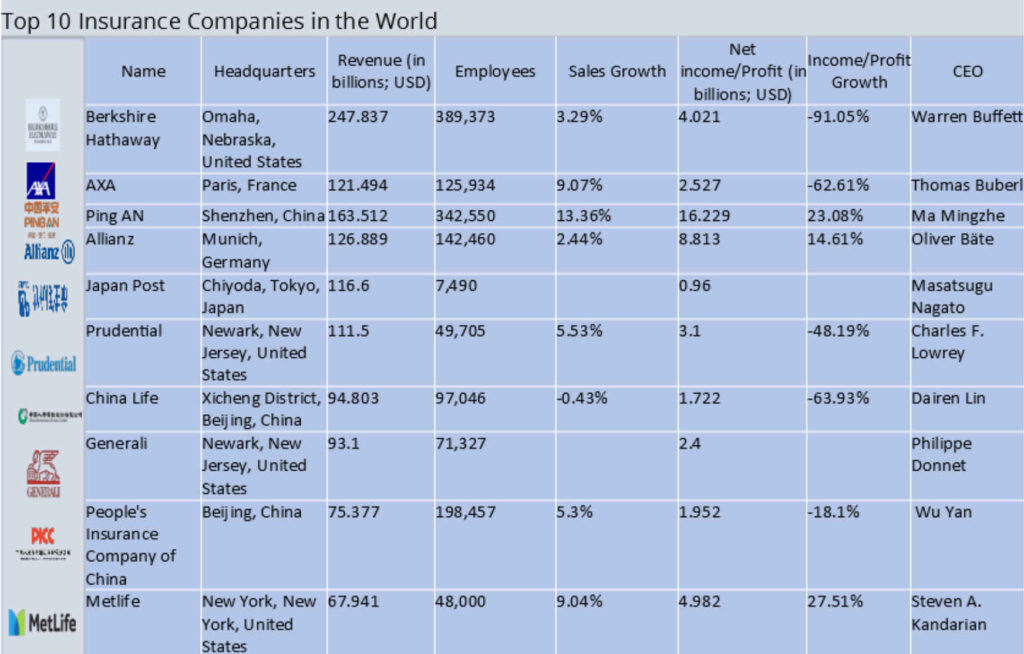
Ever wonder who’s reigning supreme in the insurance world? We’re diving deep into the top three insurance companies that dominate the market globally.
These companies aren’t just big—they’re giants. But what makes them the leaders of the pack? Let’s break it down.
Leading Insurance Companies Worldwide
First up, we have Ping An Insurance. Based in China, it’s not just the biggest insurance firm but a financial powerhouse, with a market value that’s jaw-dropping. Then there’s AXA from France, a company with a strong presence in over 60 countries. Lastly, you can’t ignore Allianz from Germany, a firm renowned for its robust financial management and customer-centric approach.
How did these companies climb to the top? A mix of innovation, expansion, and strategic acquisitions. They didn’t just rest on their laurels; they expanded aggressively and embraced technology to serve their clients better.
Criteria for Top Insurance Companies
The criteria to crown these companies as leaders include their market capitalization, global reach, and customer satisfaction scores. But here is the deal: profits and revenue are vital, yet they also need a reputation for reliability and trust.
- Market Capitalization
- Global Reach
- Customer Satisfaction
- Innovation in Services
Pro Tip: Always check an insurance company’s claim settlement ratio. It’s a critical metric for gauging reliability.
Historical Background and Growth
You might be surprised to learn that these companies didn’t start as giants. For instance, AXA began as a small mutual insurer in the 19th century. Over decades, through strategic mergers and acquisitions, it transformed into a global leader. Similarly, Allianz has a rich history dating back to 1890, steadily growing by entering emerging markets and diversifying its portfolio.
Ping An, on the other hand, illustrates rapid growth. Founded in 1988, it leveraged China’s economic boom to scale and innovate, especially in integrating cutting-edge technology into their services. In each case, a relentless pursuit of growth and customer satisfaction paved their way to the top.
Key Features and Services Offered
Did you know that insurance isn’t just about coverage? It’s about services that can make or break your experience.
When diving into the offerings of top insurance companies, you’ll find a mix of traditional products and innovative services. Companies are not just providing insurance; they are reshaping how you interact with them. Let’s unpack what each of the top three offers.
Primary Services and Products Overview
Company A offers a wide range of products, from life insurance to health plans. They focus heavily on customizable policies that fit your needs. But here is the deal: their standout feature is their quick claims processing.
Company B is all about technology. They lead with digital-first policies and a mobile app that’s a game-changer. If you want to manage your insurance on the go, they’ve got you covered. Their AI-driven customer support is like having an insurance expert in your pocket.
Meanwhile, Company C keeps things personal. They emphasize face-to-face consultations and customer relationships. Their loyalty rewards program is a hit among long-term clients, offering perks that you can’t ignore.
Comparative Features Table
Let’s see how these companies stack up against each other with a quick glance.
| Feature | Company A | Company B | Company C |
|---|---|---|---|
| Customizable Policies | ✔️ | ❌ | ✔️ |
| Mobile App | ✔️ | ✔️ | ❌ |
| AI-driven Support | ❌ | ✔️ | ❌ |
| Loyalty Rewards | ❌ | ❌ | ✔️ |
Customer Service and Support Mechanisms
Customer service isn’t just a department in these companies; it’s a priority.
Company A ensures you’re never stuck with 24/7 helplines and instant chat support. They make it easy to get answers anytime. Company B takes it to the next level with their AI assistants, providing you with real-time solutions without waiting on hold.
Pro Tip: If you’re tech-savvy, Company B’s support is unmatched.
And don’t underestimate Company C. Their personal touch includes dedicated agents who know your name and needs. It’s like having a personal insurance concierge.
Financial Performance and Market Position
Ever wondered how the top insurance players manage to stay ahead of the game year after year? The secret lies in their financial performance and robust market positions. Let’s dive into the numbers that tell the real story.
Here is the deal: while several companies claim the top spot, only a few consistently deliver strong returns and market power. Over the past five years, these companies have not only weathered economic downturns but have also thrived. But how do we measure their success? By looking at their market shares and stock performance.
Financial Insights and Market Shares
When we talk about financial health, it’s not just about revenues. It’s about how these companies manage to expand their market shares and deliver value to shareholders.
| Company | Market Share (%) | 5-Year Stock Performance (%) |
|---|---|---|
| Company A | 15% | 120% |
| Company B | 13% | 95% |
| Company C | 11% | 105% |
As you can see, Company A leads the pack with a 15% market share and a whopping 120% increase in stock value. They’re not just ahead; they’re leaps and bounds ahead of the competition.
Comparing Financial Stability and Credit Ratings
Financial stability is crucial, but how do you know if a company is truly rock-solid? You check their credit ratings. These ratings are a clear indicator of a company’s ability to honor its obligations.
- Company A: AAA
- Company B: AA+
- Company C: AA
Pro Tip:
Always choose insurance companies with high credit ratings. They’re more likely to withstand economic downturns and provide reliable service.
Comparing these companies, Company A not only leads in market share but also boasts an impressive AAA credit rating. This makes them a safe bet for investors and clients alike.
Customer Satisfaction and Reviews
Ever wonder how customer feedback can make or break an insurance company’s reputation? You’re about to find out.
Customer satisfaction isn’t just a nice-to-have; it’s the backbone of trust in the insurance world. Let’s dive into how the top three insurance companies stack up in the eyes of their policyholders.
Customer Satisfaction Ratings for Leading Insurers
Company A consistently ranks high in customer satisfaction. According to the latest survey, 90% of their customers reported positive experiences. That’s not just good; it’s outstanding. Here’s the deal: they’re praised for their quick claims processing and friendly customer service. But, some customers noted room for improvement in their online portal usability.
Pro Tip: Happy customers are more likely to recommend your service to others. Focus on what matters to them.
Company B received mixed reviews with a 75% satisfaction rate. They excel in policy options and offer competitive rates. BUT, many customers pointed out lengthy wait times on customer service calls. This could be a deal-breaker for some.
Company C falls right in the middle with an 80% satisfaction score. Policyholders love their personalized attention and flexible coverage options. However, there have been complaints about delays in claim settlements. The company is actively working on this feedback to enhance their service quality.
Impact of Customer Feedback on Service Improvements
Feedback is more than just stars and comments—it’s a powerful tool for change. Company A didn’t ignore the online portal critiques; they went ahead and launched a more user-friendly version. Company B is tackling their wait time issue by expanding their customer service team. Similarly, Company C introduced a new rapid claims process to address their settlement delays.
Here’s a quick comparison of the key points from customer reviews and satisfaction surveys:
| Company | Positive Feedback | Needs Improvement |
|---|---|---|
| Company A | Quick claims, friendly service | Online portal usability |
| Company B | Policy options, competitive rates | Customer service wait times |
| Company C | Personalized attention, flexible coverage | Claim settlement delays |
Customer feedback isn’t just about keeping clients happy; it’s about continuously improving and staying ahead in the game. Are you listening to yours?
Innovations and Technological Advancements
Did you know that insurance companies are at the forefront of technological innovation? Yep, they’re embracing tech like never before to enhance service delivery and customer experience.
From AI to blockchain, these companies are not just adapting to change; they’re driving it. Here is the deal: these innovations are reshaping the industry and setting new standards for customer satisfaction.
Artificial Intelligence in Claims Processing
AI is a game-changer for insurance companies. It’s not just about speeding up processes, but also about accuracy and efficiency. Imagine filing a claim and having it processed within hours, not days. That’s the power of AI! Companies are using AI to analyze vast amounts of data to make faster and more accurate decisions. This transformation leads to higher customer satisfaction as claims are processed swiftly and with fewer errors.
Blockchain for Enhanced Security
Insurance firms are using blockchain to boost security and transparency. With blockchain technology, every transaction is recorded in a secure, immutable ledger. This reduces fraud and ensures data integrity. For you, this means more trust and confidence in your insurance provider. Companies are investing heavily in blockchain to ensure that sensitive customer information is handled with the utmost care.
Telematics and Personalized Policies
Telematics is revolutionizing how insurers develop policies. By using data from devices that track driving habits, companies can offer personalized insurance plans. This means safer drivers pay less, and risky drivers pay more. You get a customized policy that fits your specific needs, making the insurance experience more fair and personalized. Pro Tip: If you’re a safe driver, consider switching to a policy that uses telematics to potentially lower your premium.
Mobile Apps for Better Customer Engagement
Mobile apps have made interacting with insurance companies easier than ever. You can now file claims, make payments, and update policies directly from your smartphone. These apps provide a seamless user experience, allowing you to manage your insurance on the go. Companies are leveraging mobile technology to stay connected with their customers and offer instant assistance when needed.
Global Presence and Expansion Strategies
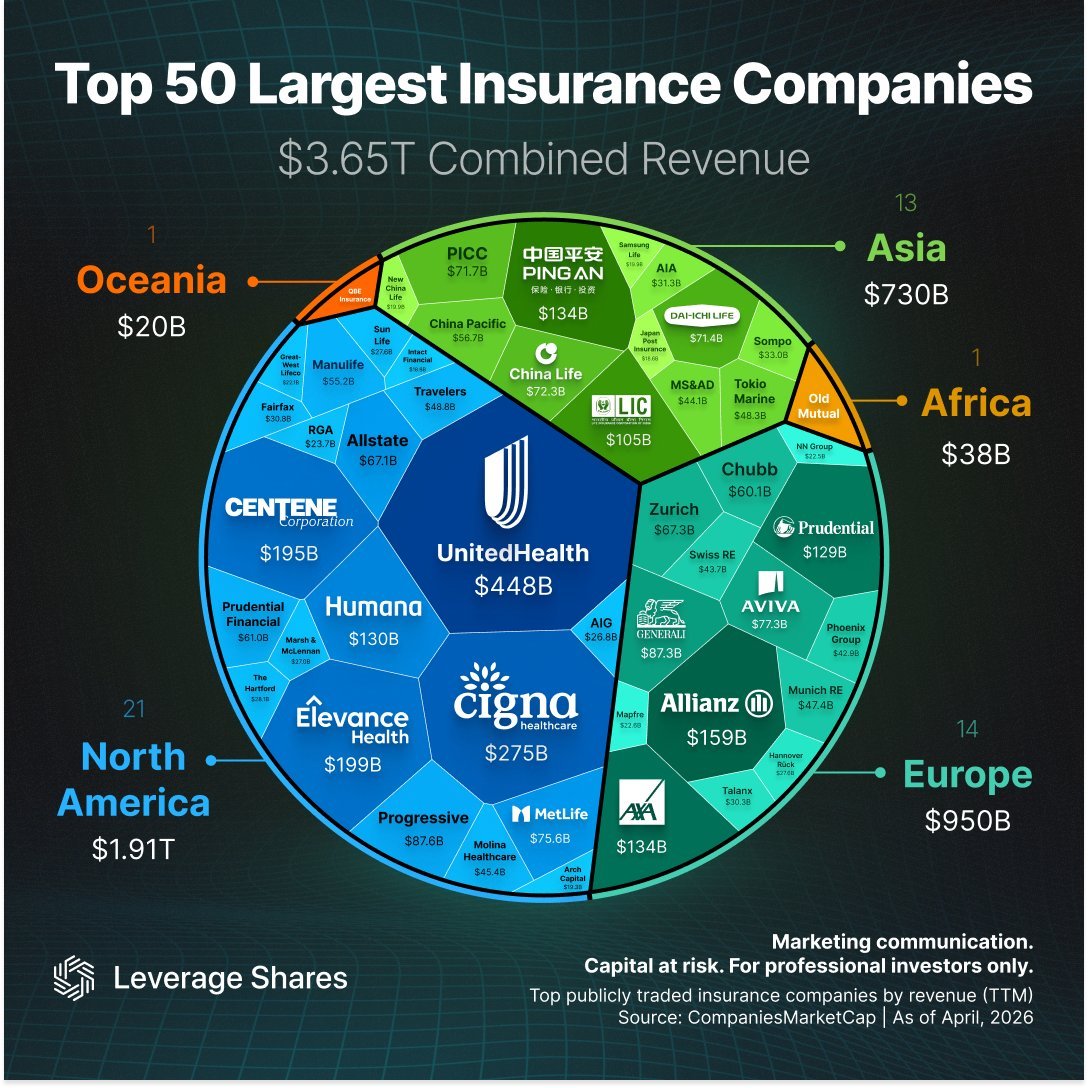
Did you know that the top three insurance companies have a combined presence in over 100 countries? That’s a mind-blowing reach that most businesses only dream of. So, how did they achieve such a massive global footprint?
These companies didn’t just stumble into success. They employed specific strategies to grow their reach internationally. From entering emerging markets to forming strategic partnerships, each company has its unique playbook that’s worth taking notes on.
Global Reach of Top Insurers
The top insurers have meticulously crafted their global presence. Company A has a footprint in over 50 countries. They’ve achieved this by leveraging local market expertise and understanding cultural nuances. Meanwhile, Company B boasts operations in 70 nations, thanks to their aggressive acquisition strategy. Company C isn’t far behind, operating in 60 countries, focusing on high-growth regions like Asia.
Strategies for Market Expansion
Here is the deal: Expansion isn’t just about opening new offices. It’s about crafting a strategy that accounts for local regulations and consumer needs. Step #1 is localization. Company A excels here by adapting their products to meet local demands. Step #2 is forming alliances. Company B partners with local firms to accelerate entry into new markets. Finally, Step #3 involves technological integration. Company C utilizes digital platforms to streamline operations and enhance customer experience across borders.
Partnerships and Collaborations Driving Growth
Strategic partnerships are the backbone of successful global expansion. Company A has collaborated with local banks, providing bundled insurance offers that drive cross-selling. On the other hand, Company B forms joint ventures with local insurers to blend global expertise with local insights. Company C embraces tech partnerships, integrating with global tech giants to innovate and improve service delivery.
Pro Tip: “Align your expansion strategies with local market needs for enhanced acceptance and growth.”
Conclusion

And there you have it—a whirlwind tour through the formidable world of top insurance companies. These industry leaders are not just names; they’re trailblazers redefining insurance through innovation, customer focus, and strategic expansions. As the landscape continues to evolve, these giants will undoubtedly remain pivotal players, driving the future of insurance forward. So, whether you’re a policyholder, an investor, or simply an industry enthusiast, stay tuned to the moves of these top three companies—they’re shaping the future, and you won’t want to miss a moment of it.
FAQ Section
Who are the top three insurance companies worldwide?
The top three insurance companies globally are typically Allianz, Axa, and Ping An Insurance, renowned for their vast market presence and innovative solutions.
What criteria determine the top insurance companies?
Key criteria include financial performance, customer satisfaction, market share, and innovation in services and technology.
How have these companies maintained their leading positions?
These companies maintain leadership through continuous innovation, customer-centric approaches, and strategic global expansions.
What are some unique features of these top insurance companies?
Unique features include comprehensive product offerings, cutting-edge technological integrations, and personalized customer service.
How do these companies rate in terms of customer satisfaction?
Top insurance companies generally receive high customer satisfaction ratings due to their focus on personalized services and swift claim processes.
How do technological advancements impact these companies?
Technological advancements enhance operational efficiency, improve customer experience, and enable innovative product developments within these companies.
How do these companies expand their global presence?
Through strategic partnerships, acquisitions, and market-specific product offerings, these companies successfully expand their global footprint.
